Natural science Unit 8 Energy
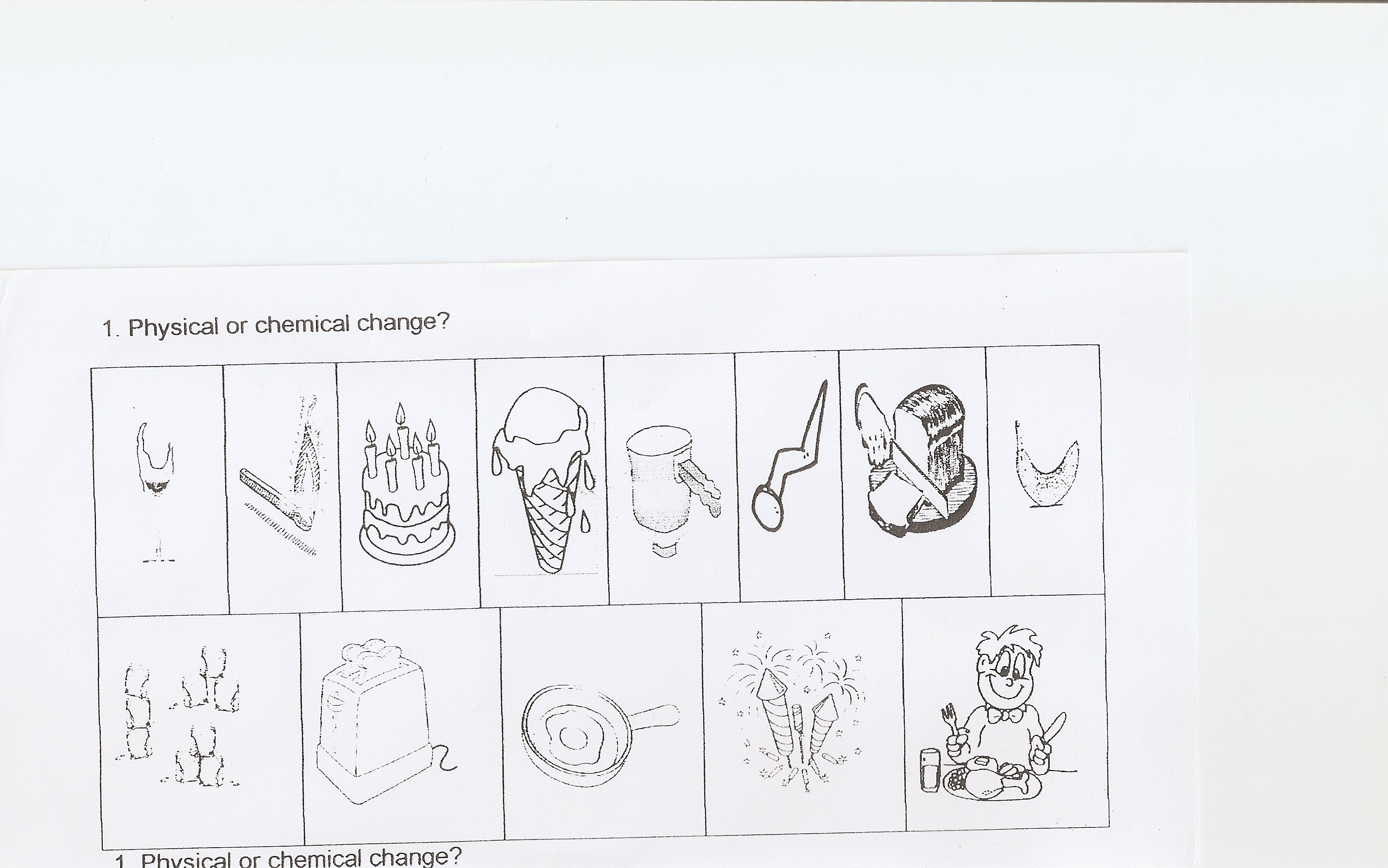
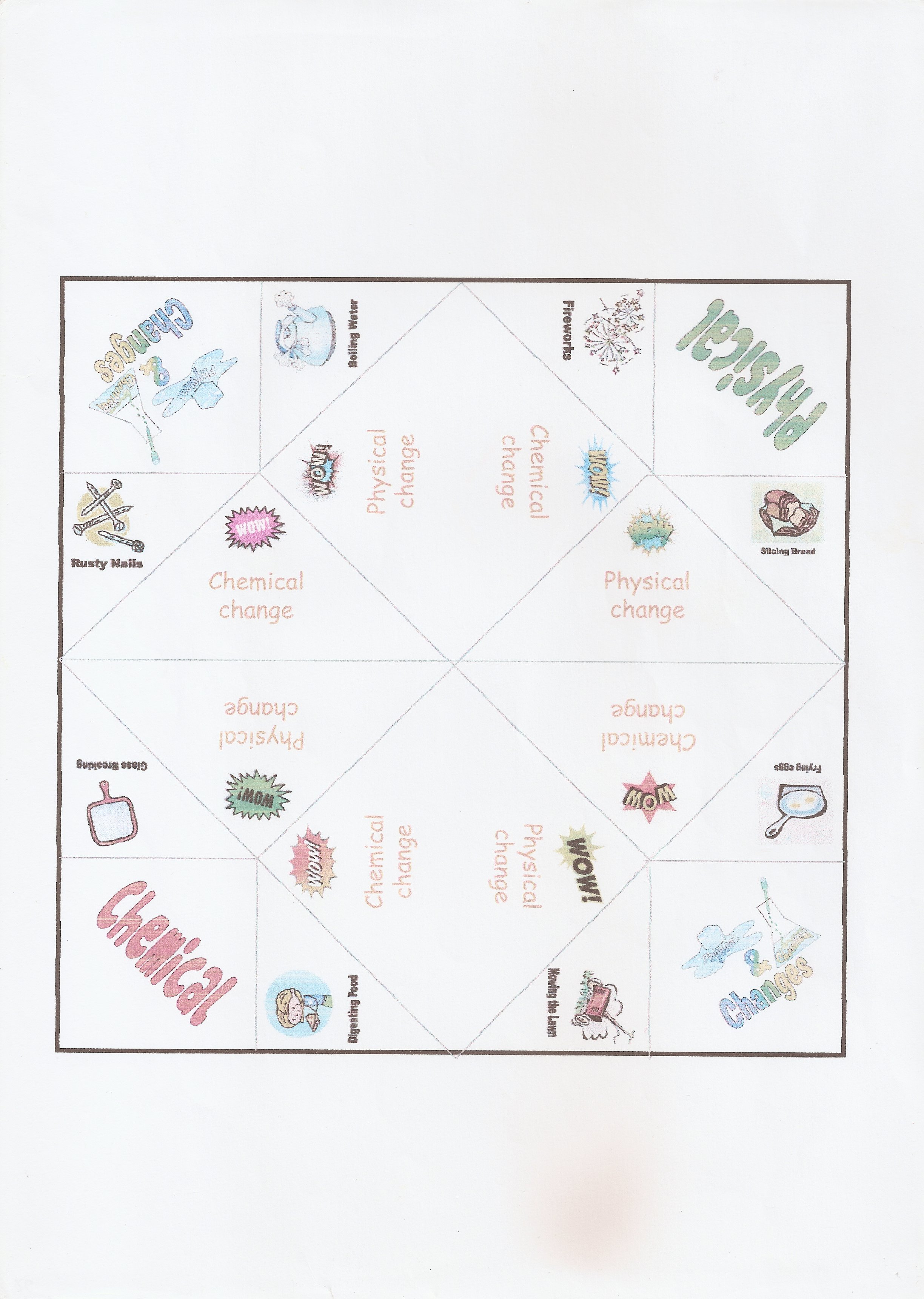
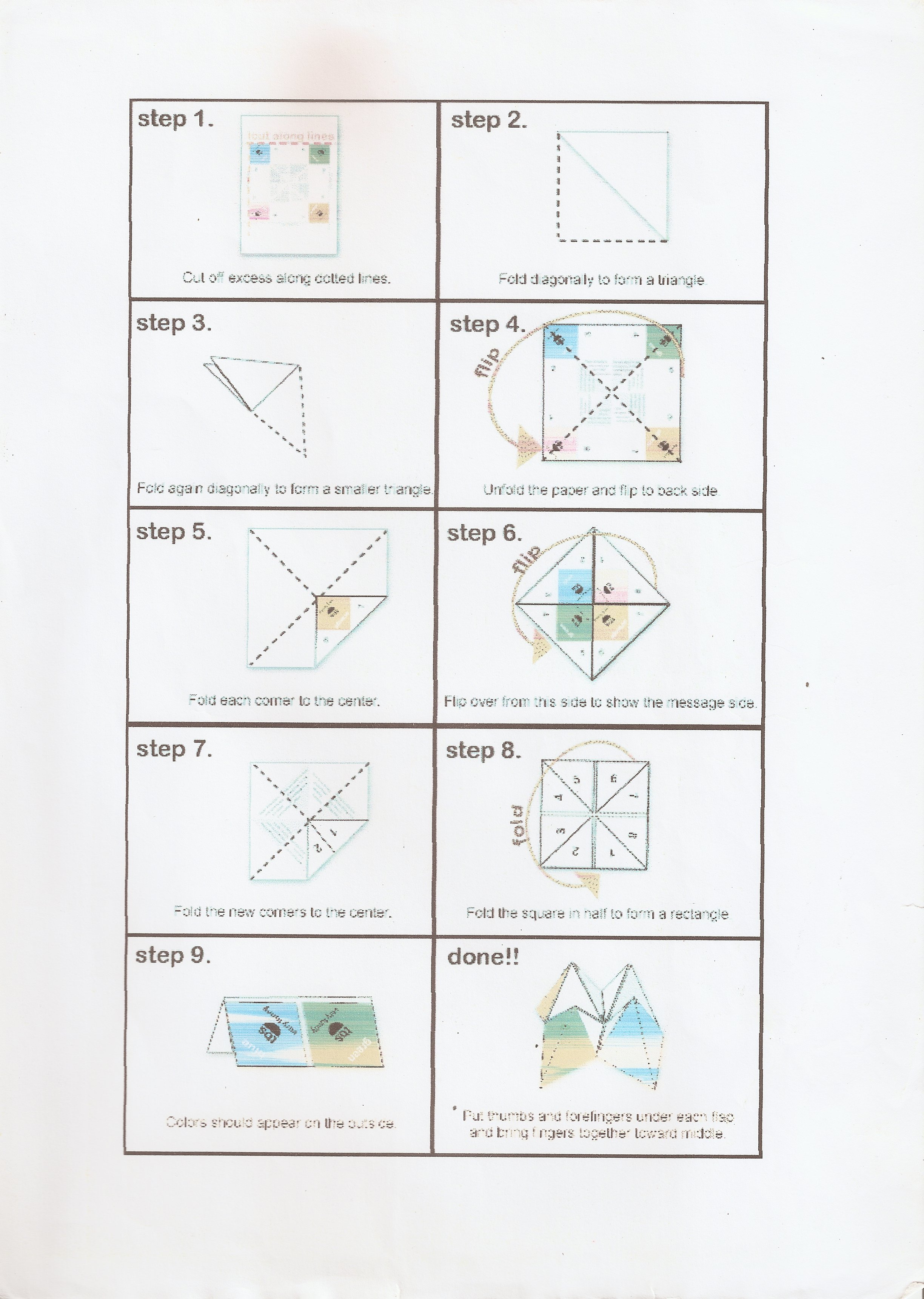
Natural science Changes in matter
Natural Science Mixtures
Natural Science Light through materials
Conocimiento aplicado
Children, here you have the poster for multicultural Spain. complete the information and add pictures in the 6 different boxes.
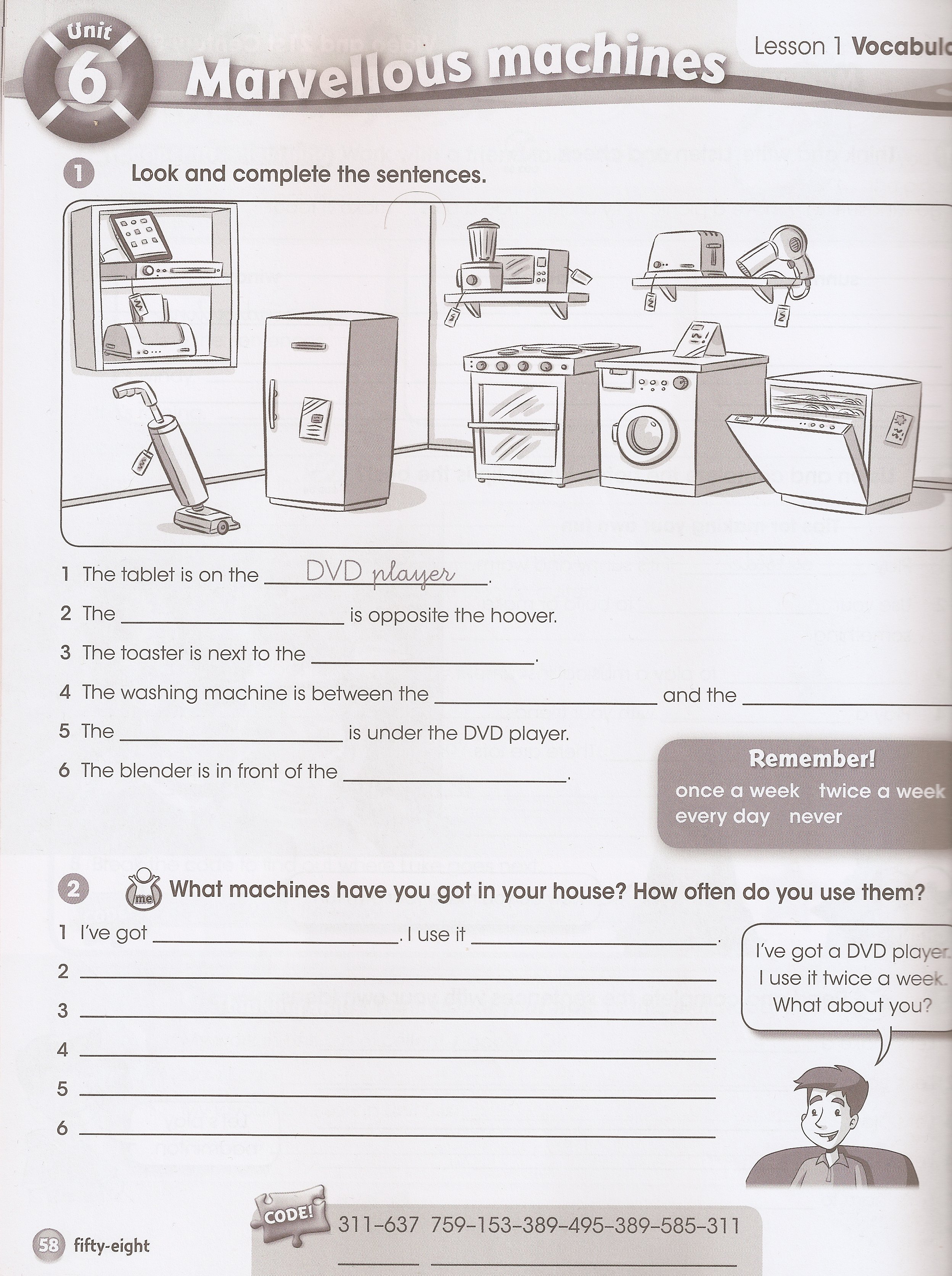
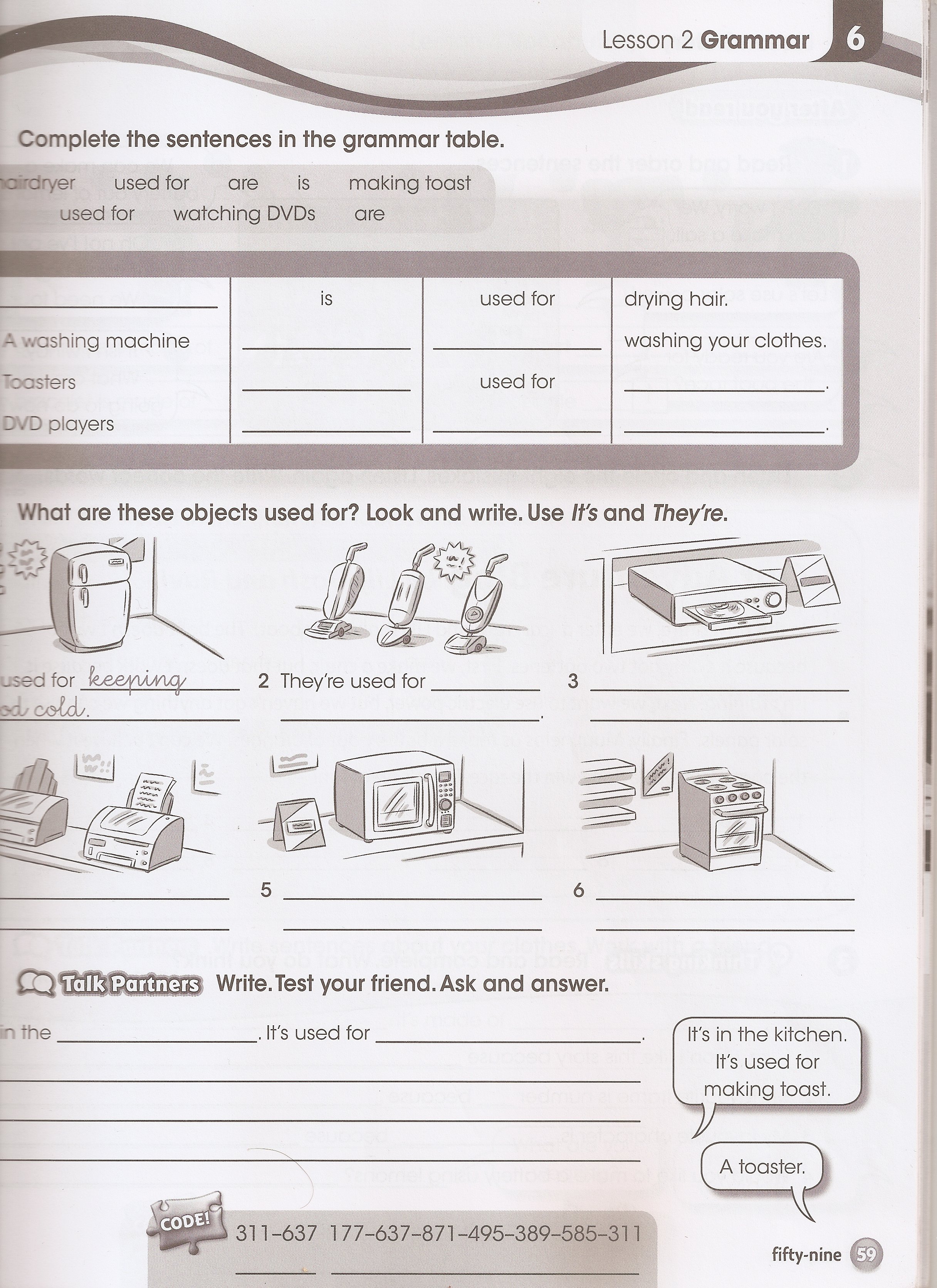
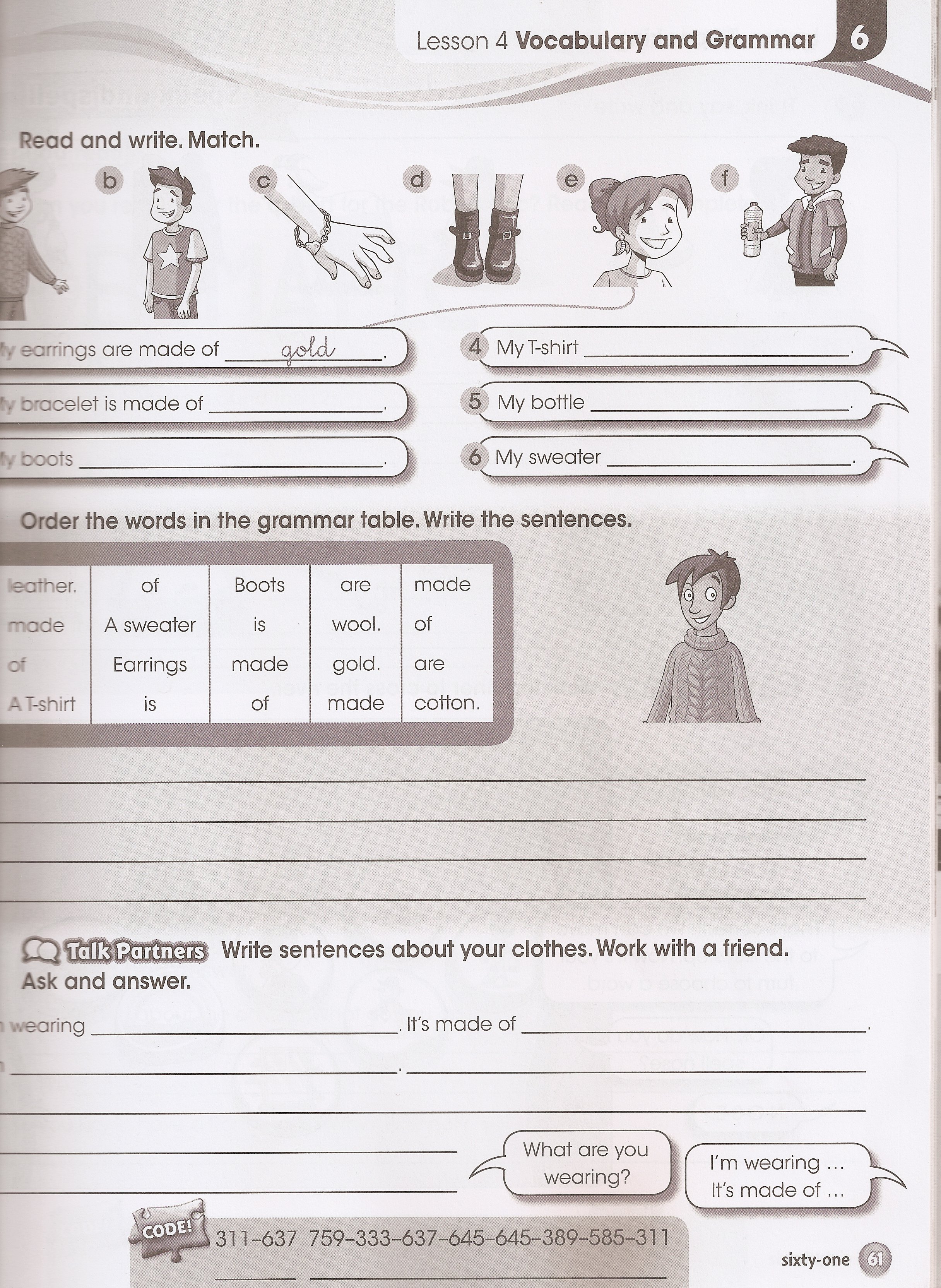
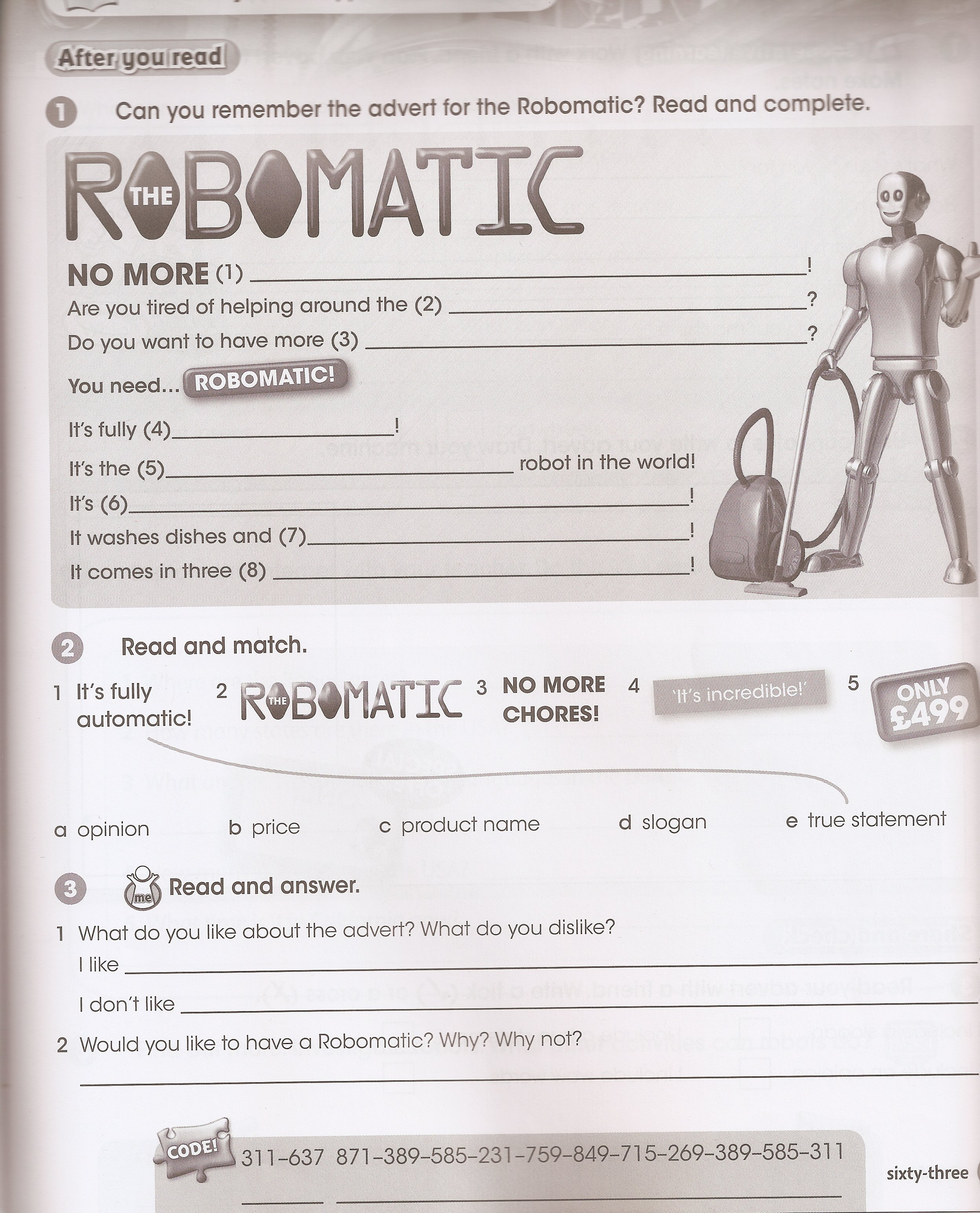
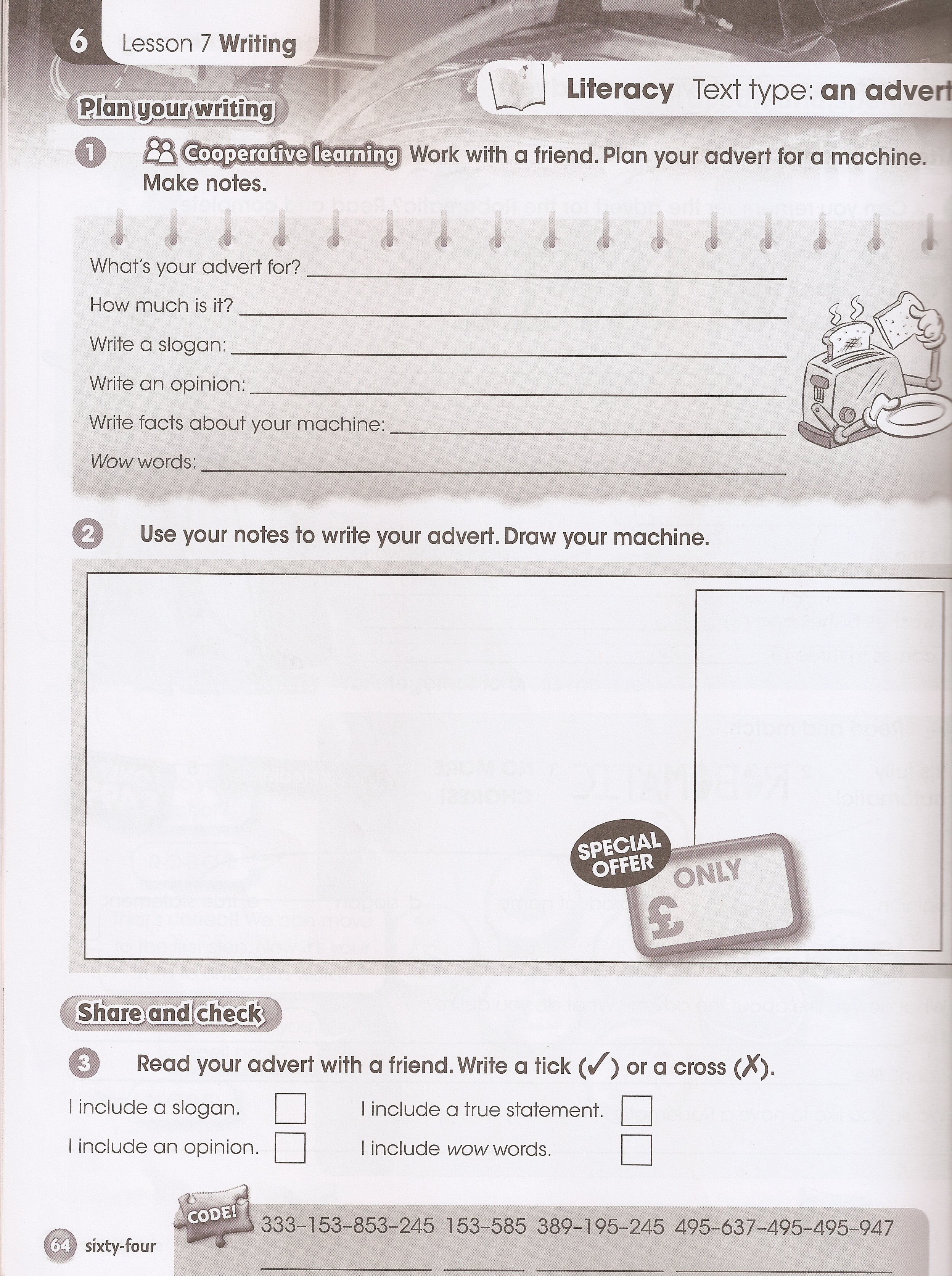
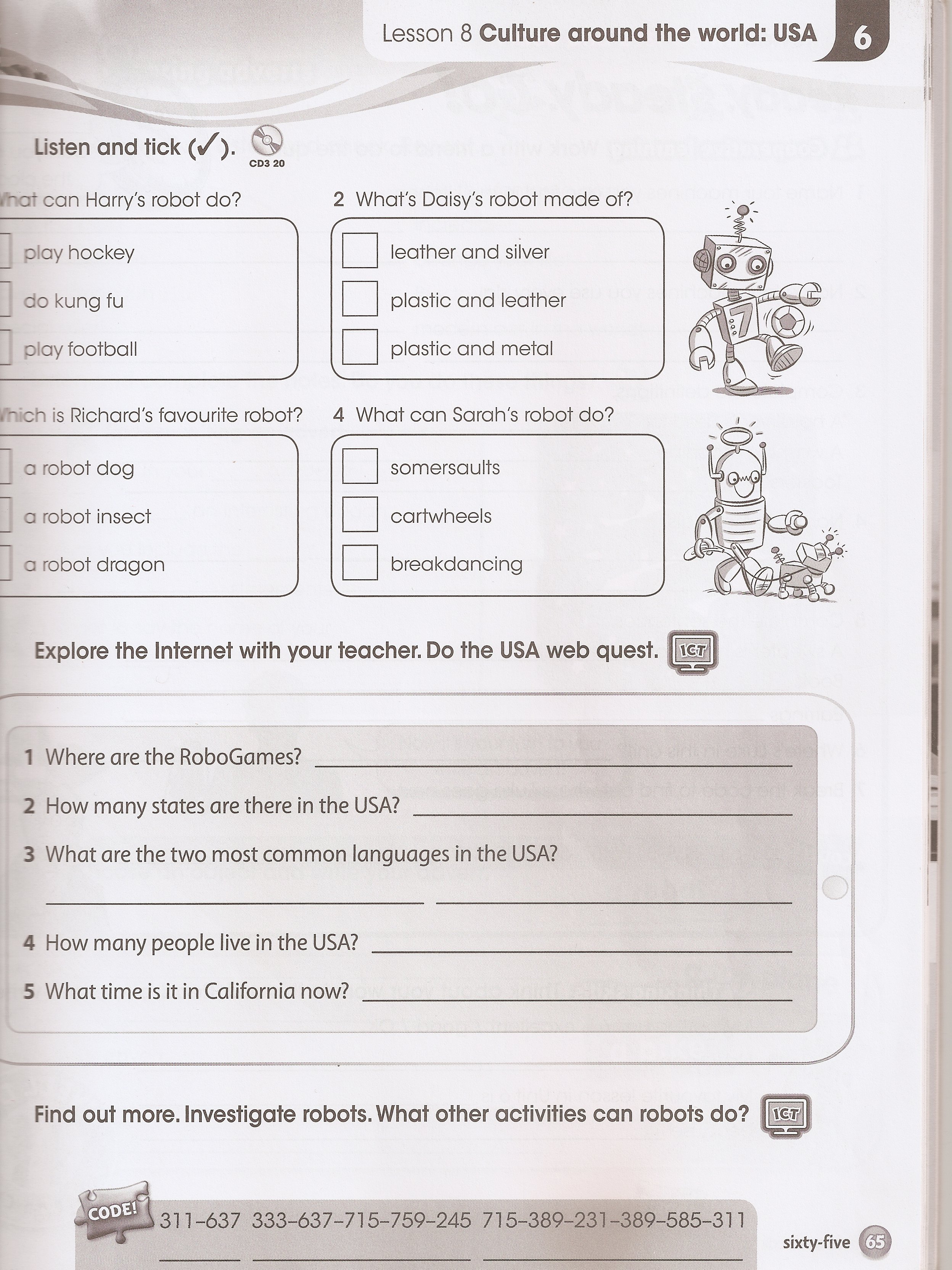
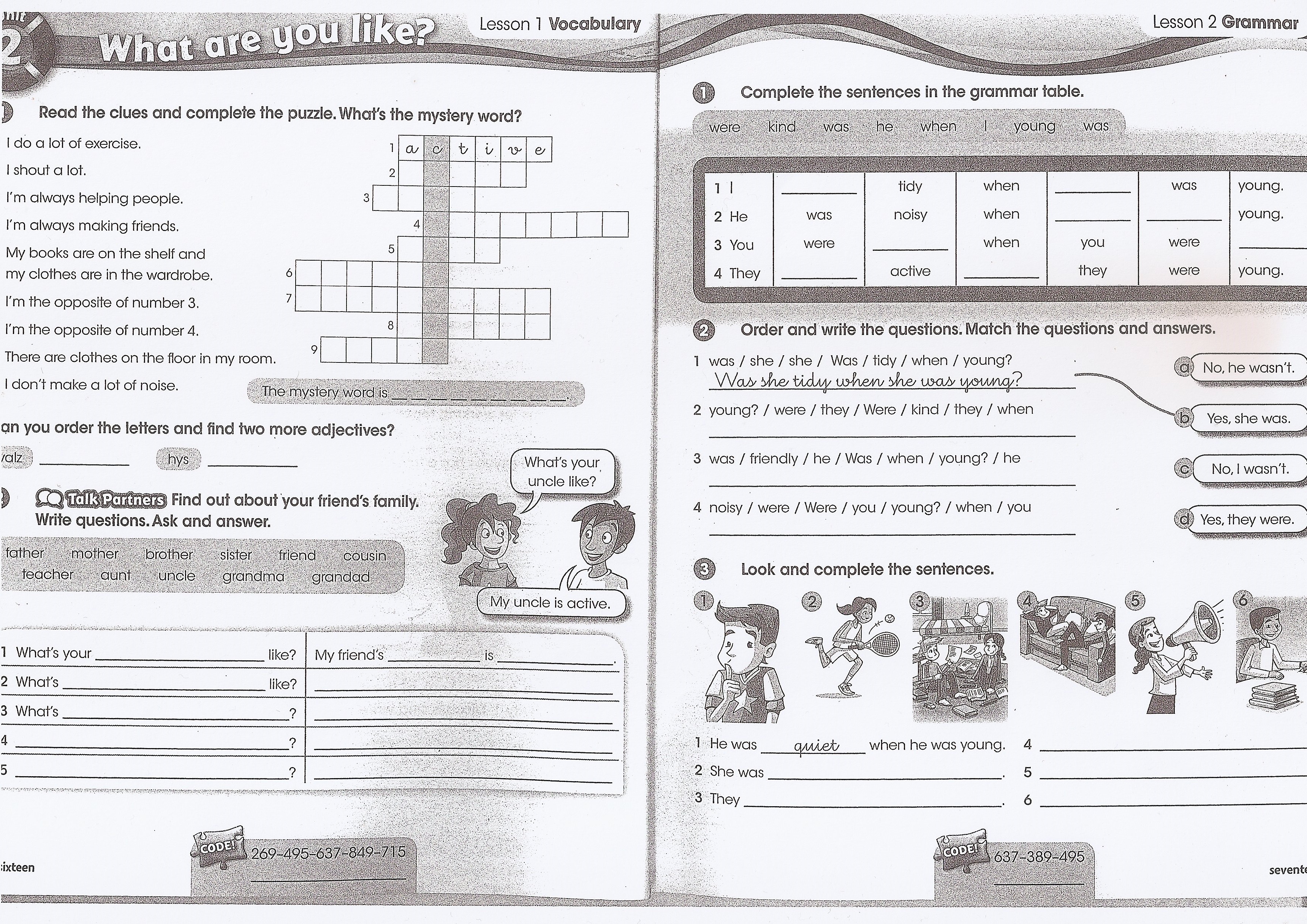
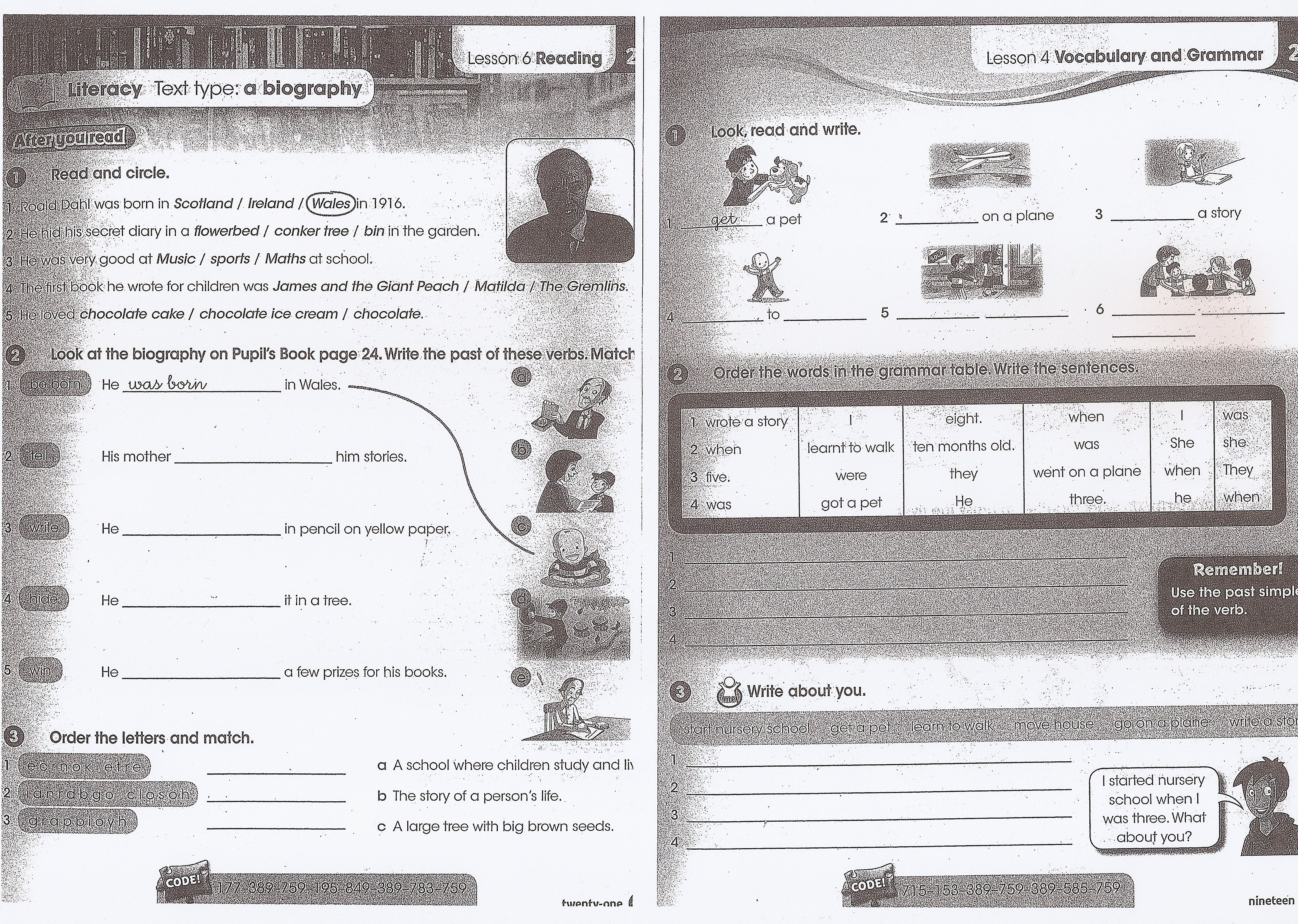
English Unit 6 Marvellous machines. Activity book High Five
Hello children, here you have the pages of the English activity book. You can print them out or you can also copy it in your notebook. ( aquí tenéis las páginas del activity book para q las imprimas o las copies en tu cuaderno cuando tu profe te vaya diciendo)
Natural Science Matter and materials
Children here you have the worksheet for materials and the model for the homework. you also have a video about the 3 states of matter and mass or volumen. hope you like it.
Social Science unit 6 My community
Hello children, here I post the worksheet about My community if you need to finish copying it or have a look at it. Aquí os dejo la hoja de trabajo de mi comunidad q hemos trabajado hoy por si la necesitáis.
Natural Science unit 6 Ecosystems
Food chains. Here you have the worksheet for Food Chains we looked at in the online class today. You can print it out or copy it in your notebook. Aquí os dejo la hoja de trabajo q hemos visto hoy. La podéis imprimir o la copiáis en vuestro cuaderno de Naturales. Also you have below a video about food chains. Enjoy it! También tenéis un video sobre food chains. Q lo disfrutéis!
Applied Knowledge Conocimiento Aplicado
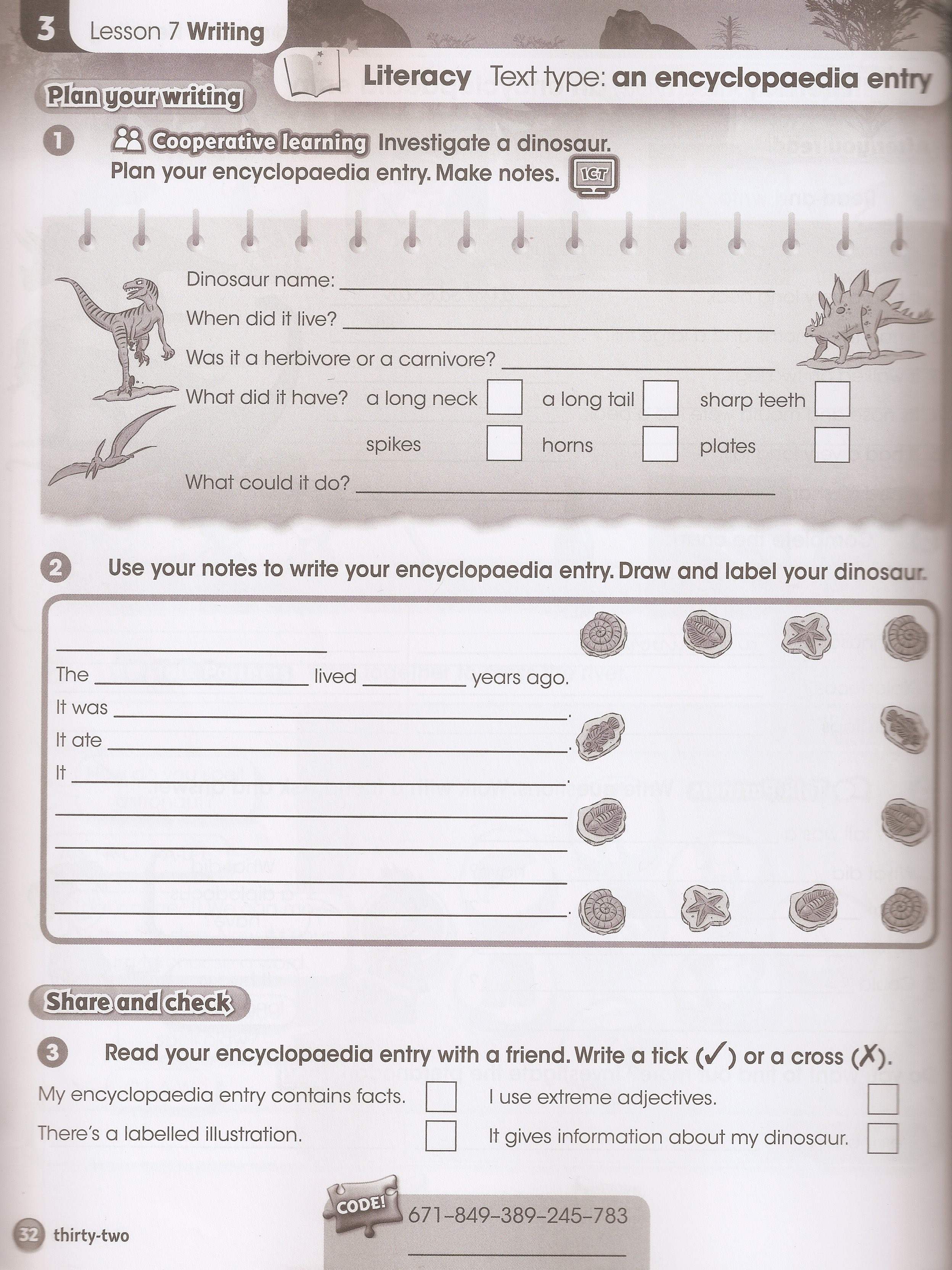
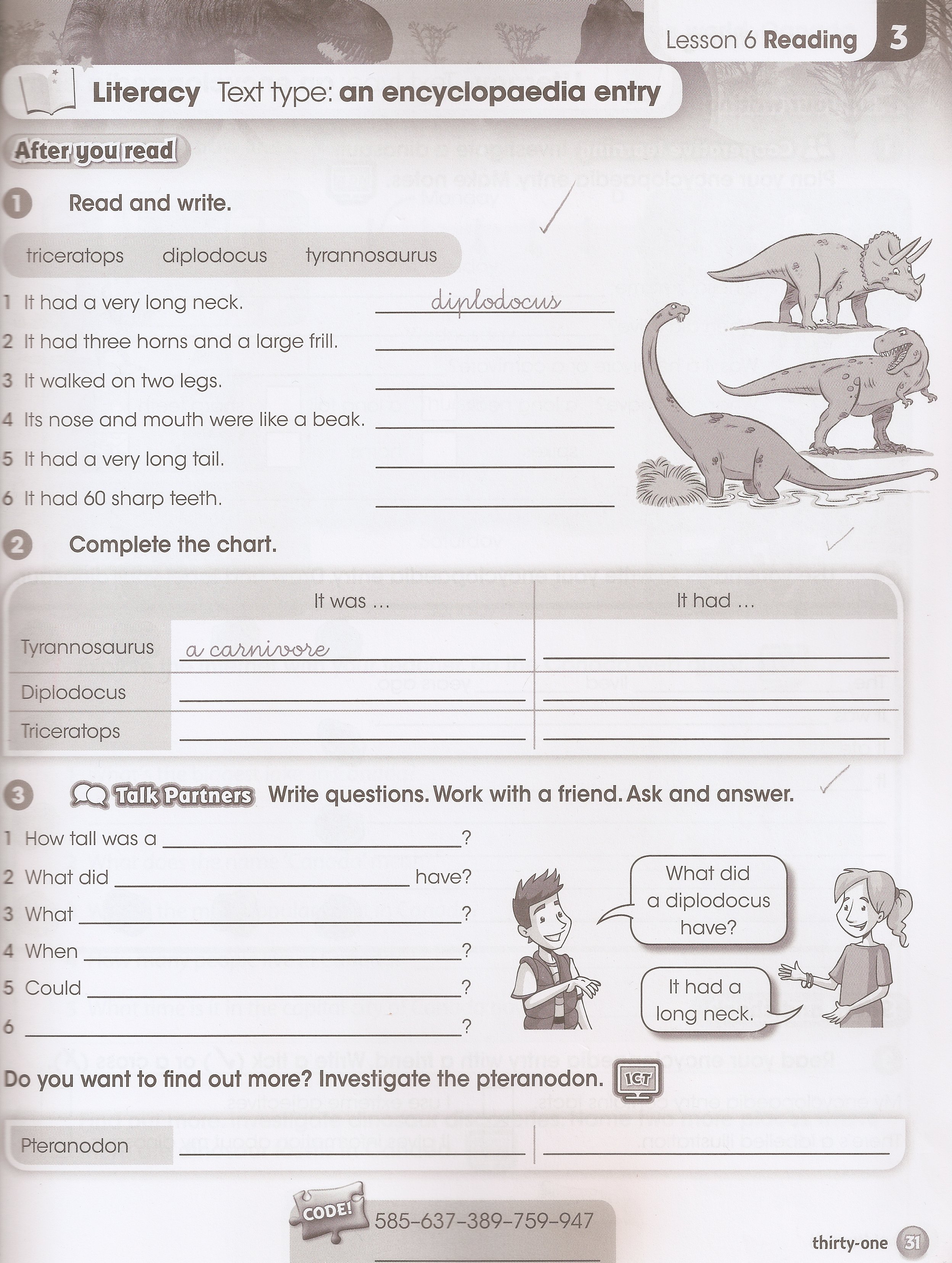
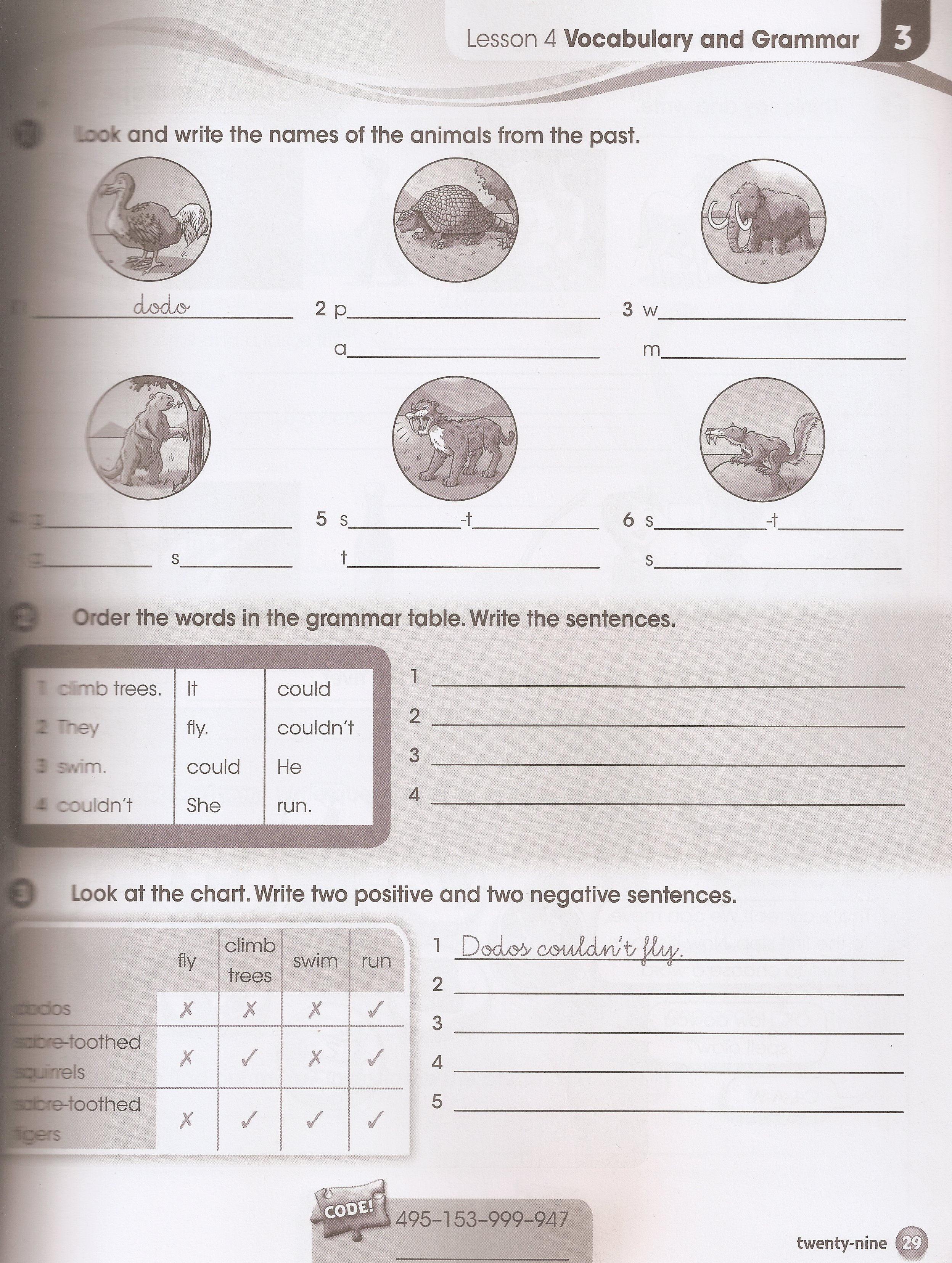
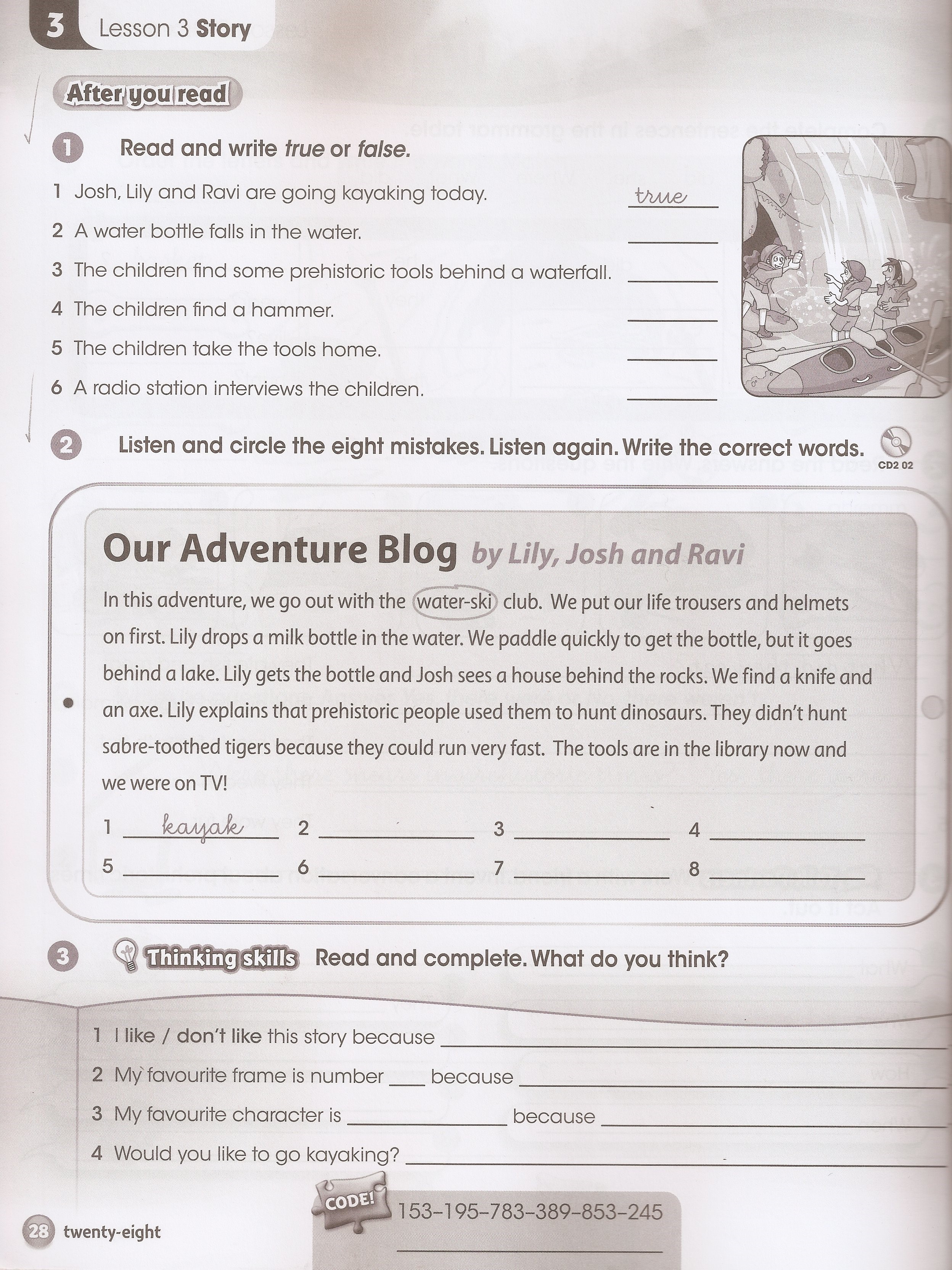
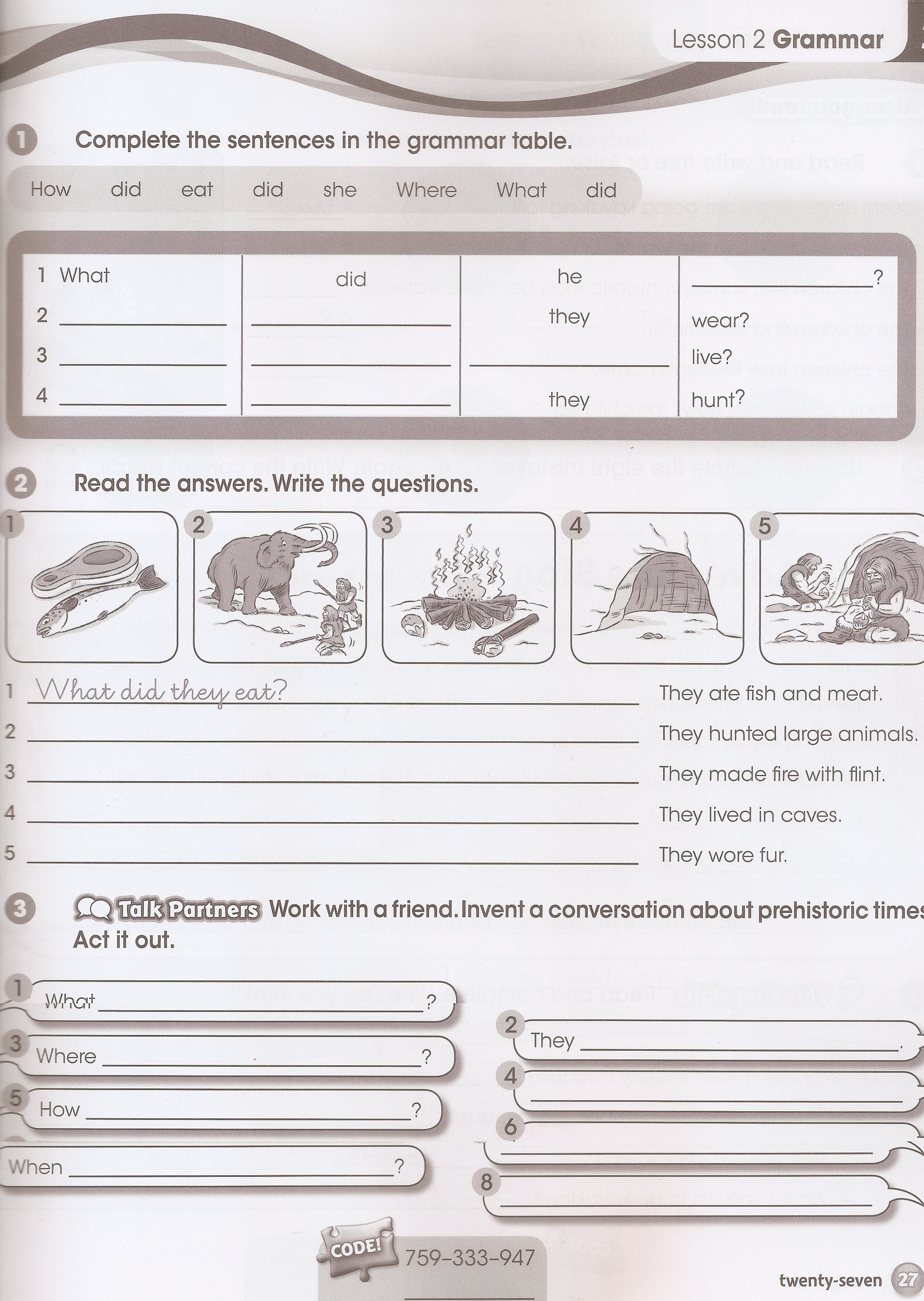
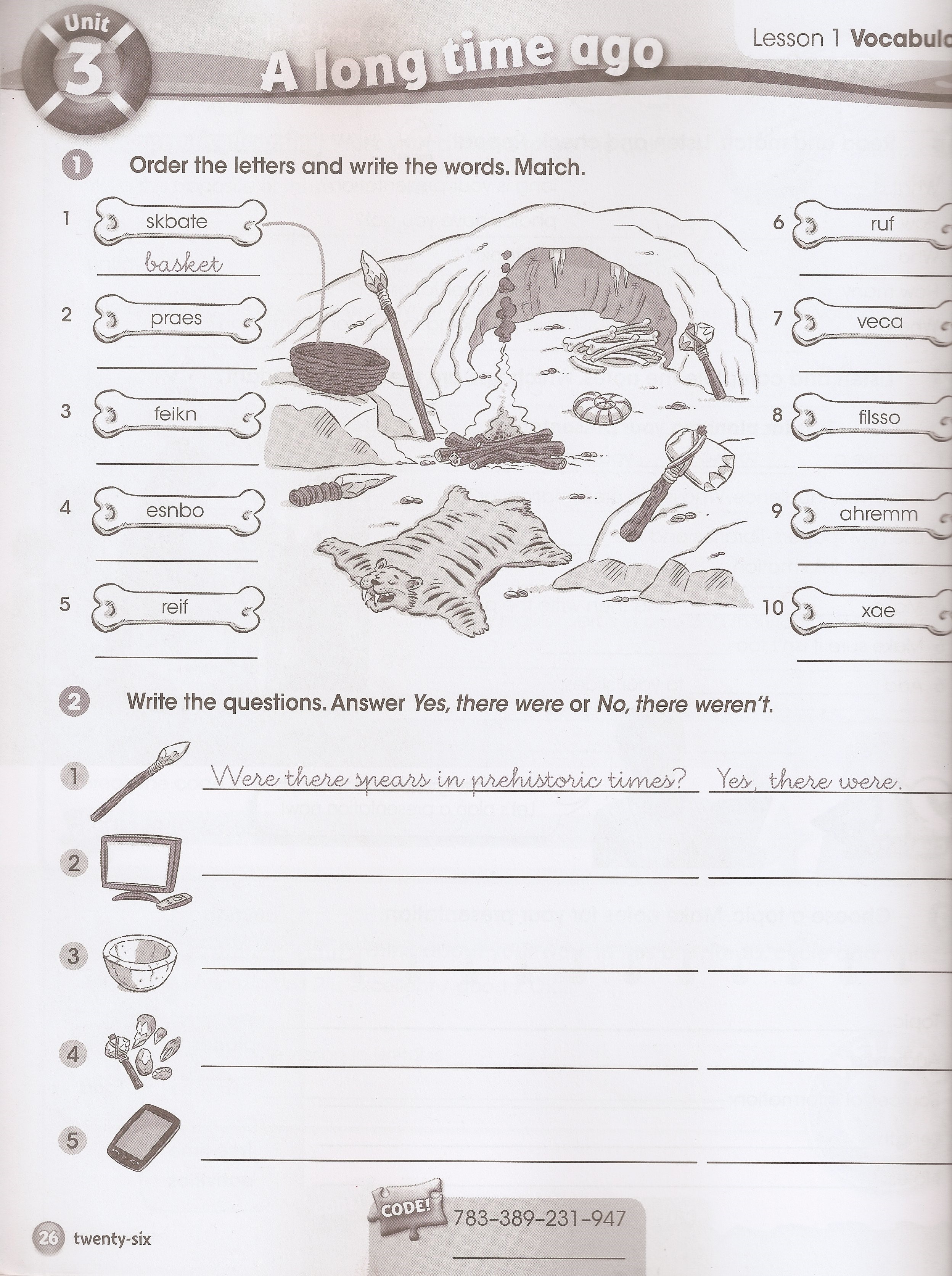
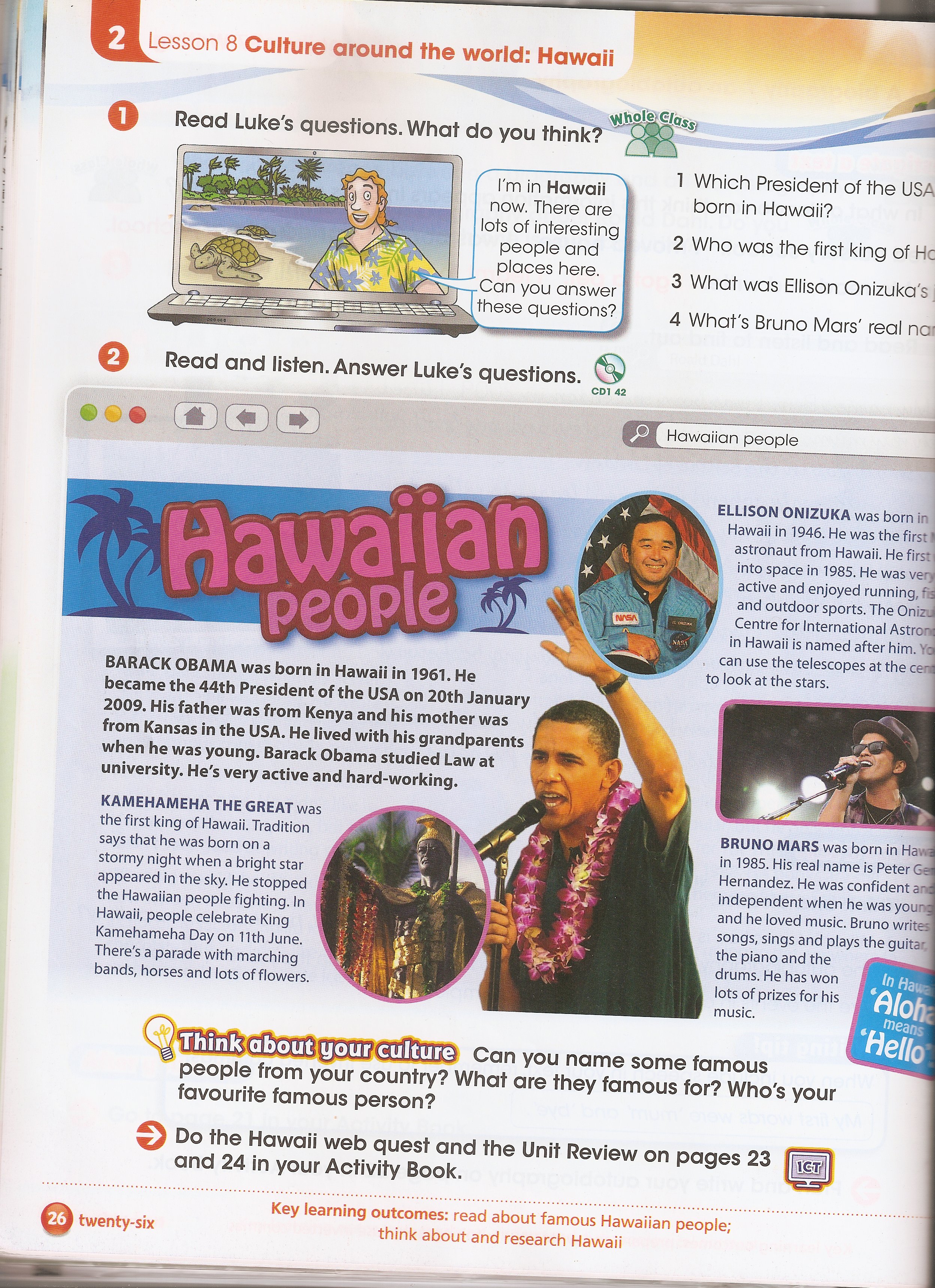
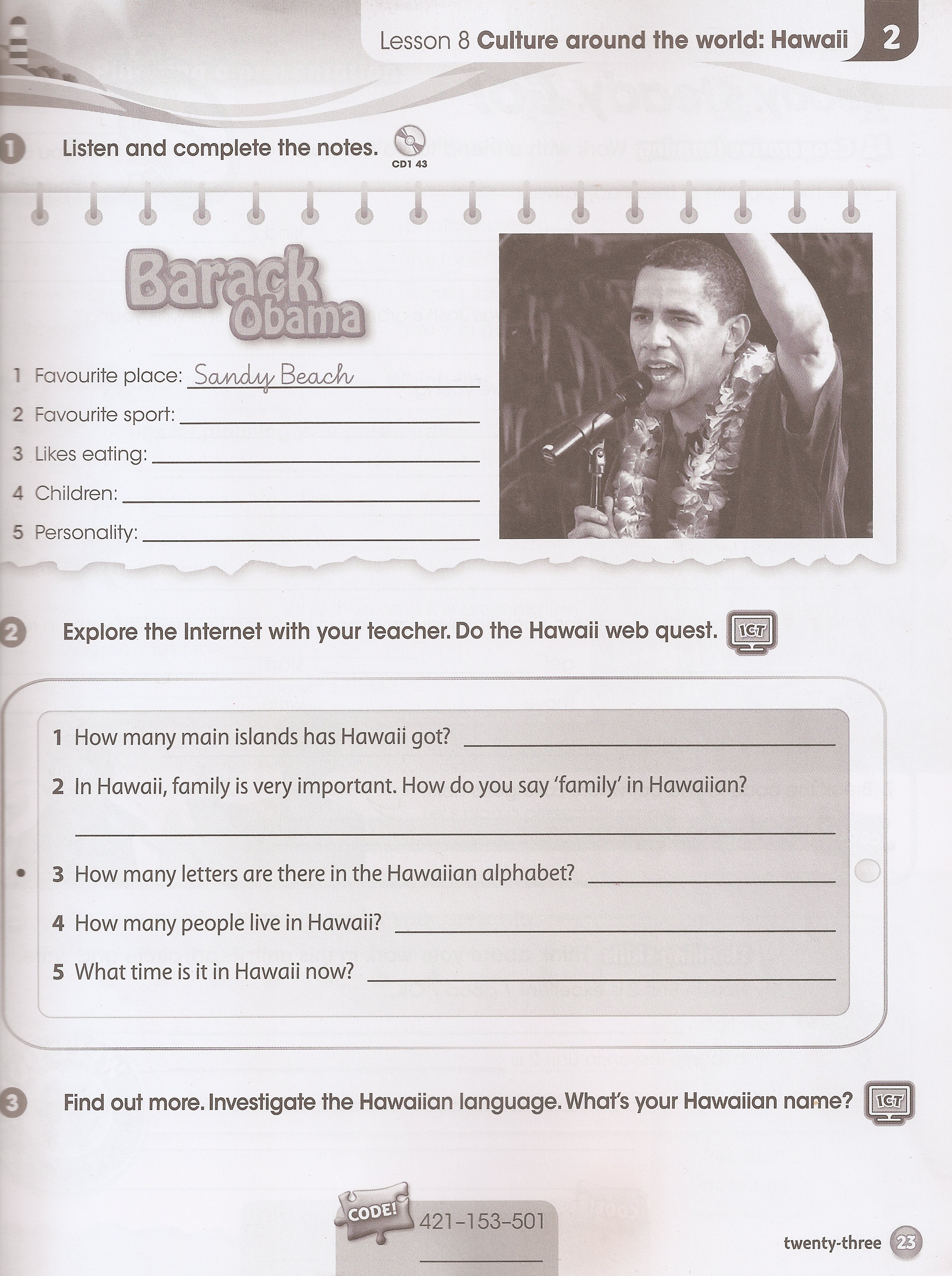
English activity book unit 3 A long time ago
Hello children, here you have the pages of the English activity book. You can print them out or you can also copy it in your notebook. ( aquí tenéis las páginas del activity book para q las imprimas o las copies en tu cuaderno cuando tu profe te vaya diciendo)
Applied Knowledge (conocimiento aplicado)
Good morning children, Para Conocimiento aplicado vamos a trabajar un artista muy influyente y famoso. Su nombre es Vincent Van Gogh. Aquí os dejo varias tareas que podéis ir haciendo durante las vacaciones de Semana Santa.
Vincent Van Gogh
1.- Look for information about Vincent Van Gogh´s life (when was he born, Where did he live, , his parent´s names, how many brothers or sisters he had, what did he do, Where did he work, What was he famous for, His Friends…and whatever you think is important about his life.
(You can watch the videos and take information )
02.-Vincent Van Gogh Biography.mp4
03.-Van Gogh – The Starry Night梵高《星月夜》VR版 – 3D …
04.-Who Was Vincent Van Gogh.mp4
2.- Investigate which were his most famous pictures and why?Write your answers.
3. “STARRY NIGHT”, is a well known work by Van Gogh. It was painted looking though the iron-barred window in his room , when he was in a Hospital.
As we are all of us at home, you can understand why we choose this picture.
– Listen the song twice or three, or the times you need.
– Then, sing the song
(You have the lyrics and try not to look at them!
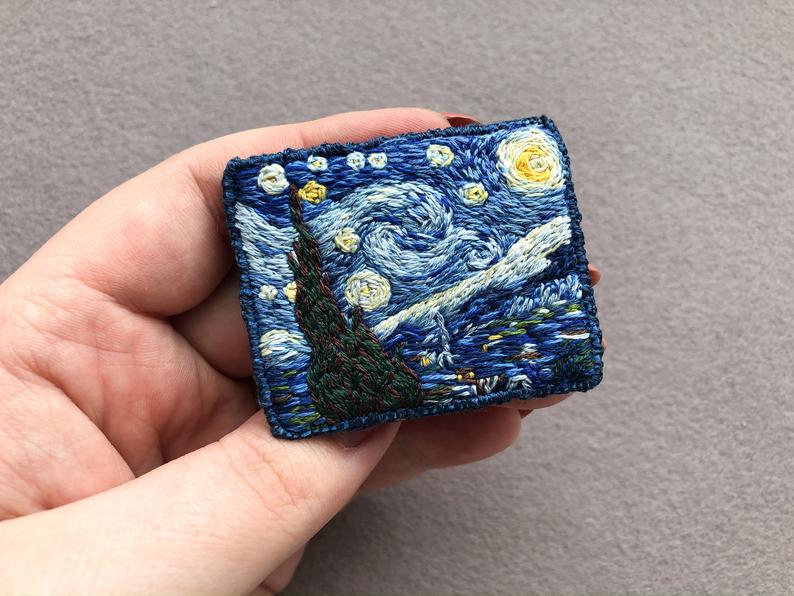
4. You can make an Arts and Crafts work about “Starry night”, whatever you want: with a picture, with plasticine, with another material that you want, it´s your choice!!
You take a photo of your work with you, and send it to me by email: antoniojose.flores@murciaeduca.es
5. What can you see from your window? Well, you can make a picture with the things that you can see: a field, houses, people, trees, cars, traffic lights… Color it , and I hope you send it to me, too.[i]
En resumen, las tareas serían: 1. Buscar información sobre Vincent Van Gogh (usar los videos q os mando), 2: Buscar información en tu tablet sobre sus obras más famosas, 3. Escuchar la canción y completar la letra de la canción mientras la escuchas, 4. Realiza un trabajo artístico, manualidad, dibujo sobre su cuadro Starry night (noche estrellada) como ves en los ejemplos, puedes usar plastilina, o cualquier otro material que quieras.
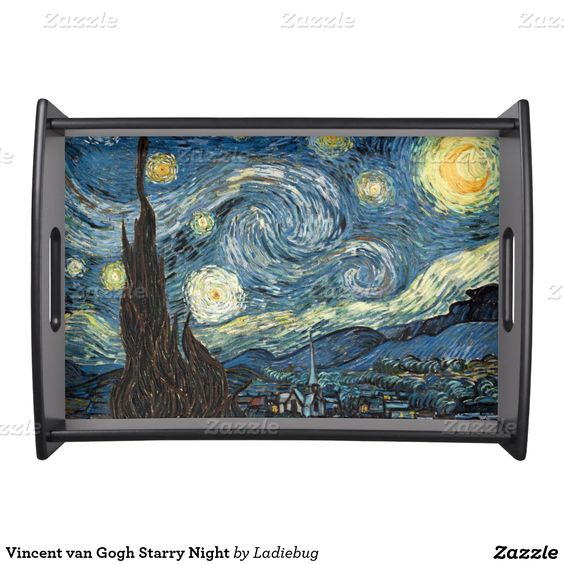
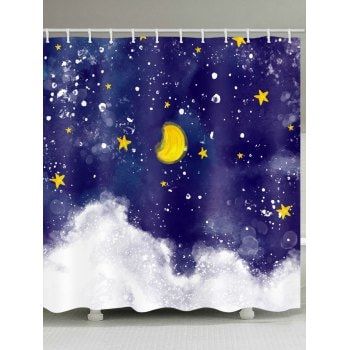
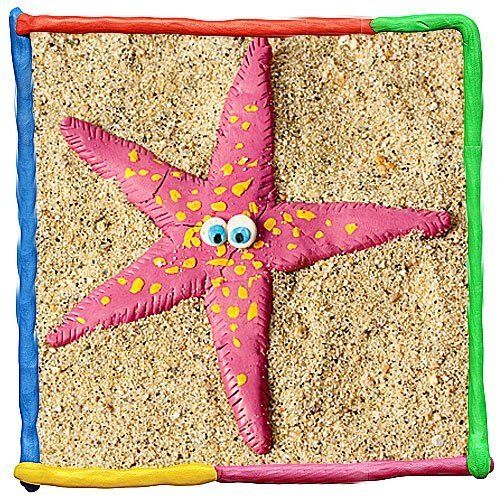
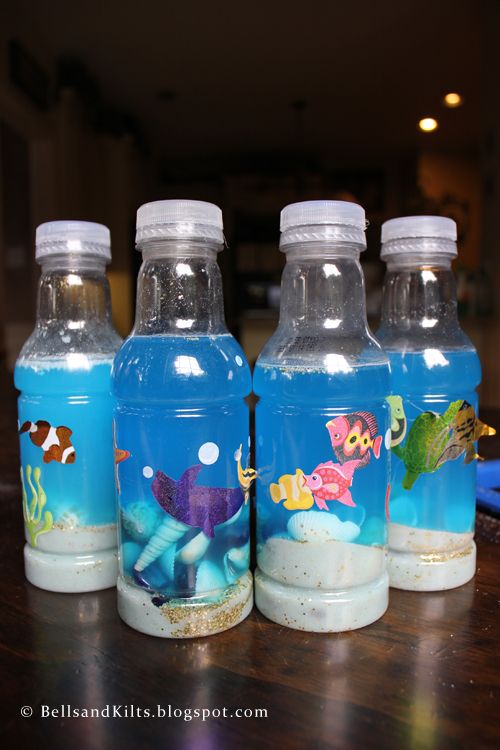
5. Mira por tu ventana y dibuja el paisaje que ves desde casa y lo coloreas. Como vimos en Landscapes en Sociales, dibuja elementos del paisaje naturales y artificiales. Todo esto lo puedes enviar también a mi correo. Un abrazo a todos y mucho ánimo. A disfrutar en casa con la familia. Q os divirtáis mucho en vacaciones. Hasta pronto.
English year 4 Lunes 23Marzo -Jueves 2 Abril
Buenos días chicos. Aquí os dejo alguna cosilla para que vayáis haciendo en casa y podáis seguir el trabajo de inglés. Los 2 primeros archivos los podeís hacer porque las vimos en clase.
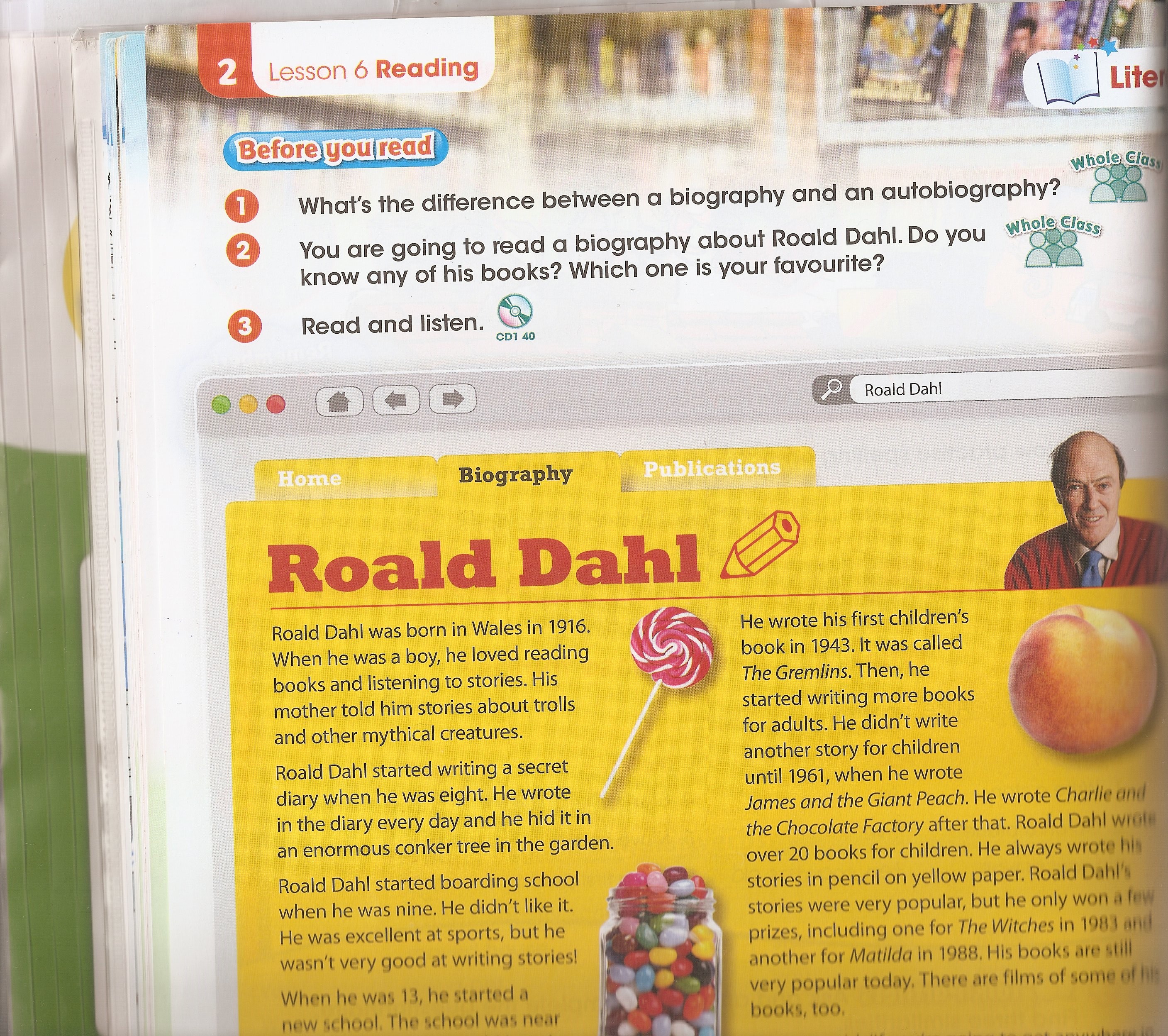
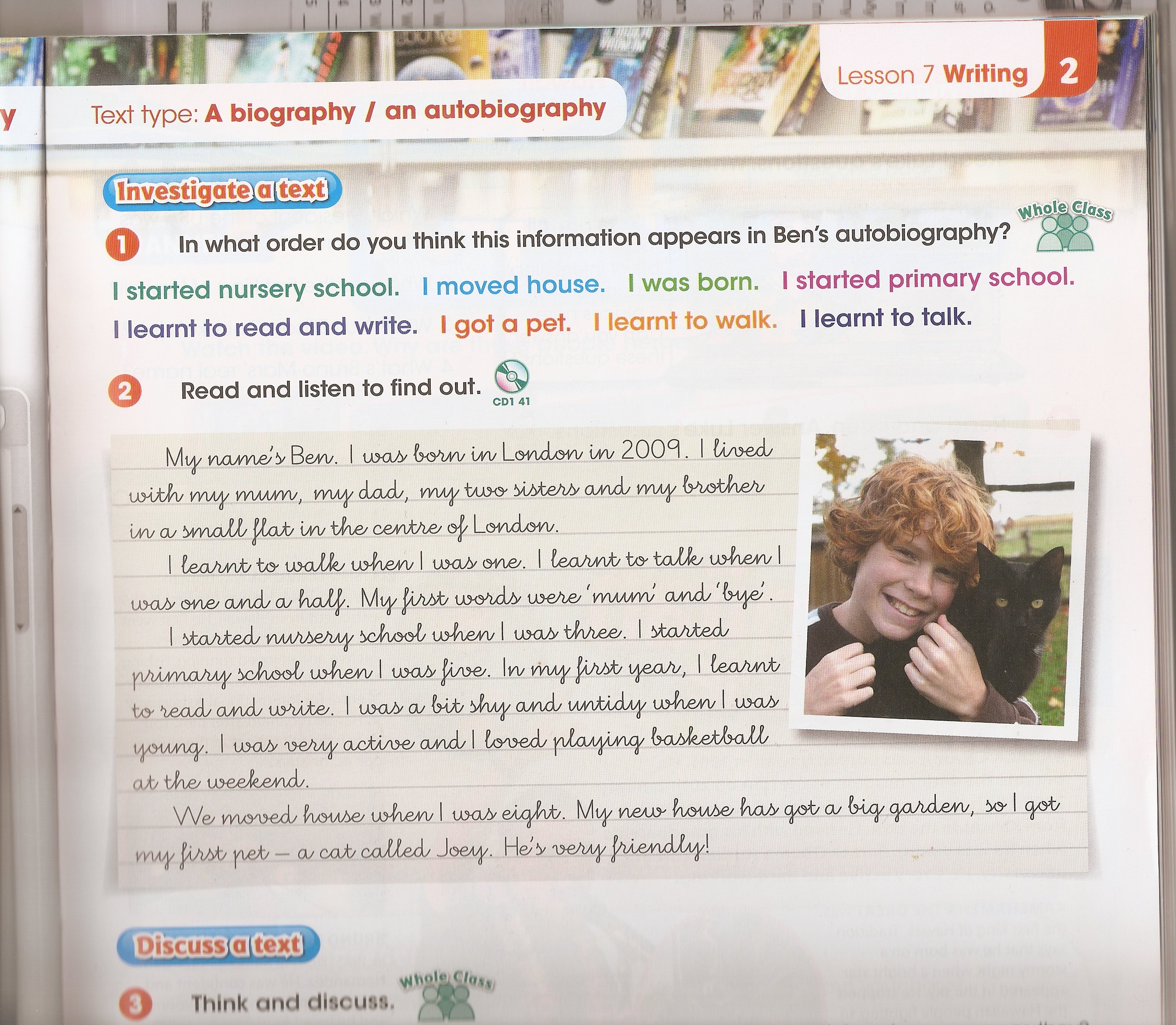
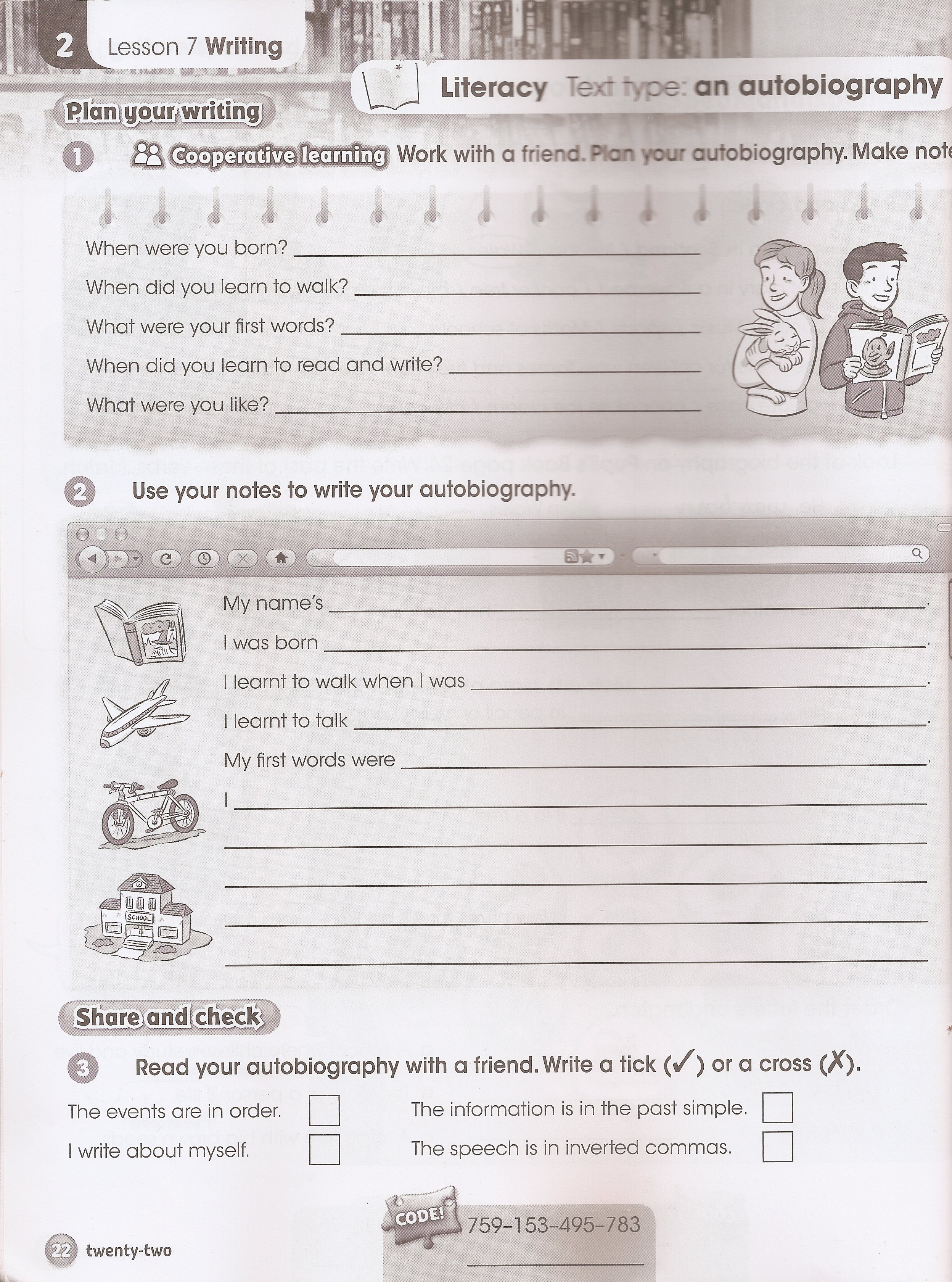
Later, You can read page 24 book about Roald Dalhl and then page 21 activity book about this autor. After that, read page 25 book ex 1,2 and then you can write your biography using the notes on page 22 activity book. When you finish, send pages 16,17,19,21,22,23 to my email antoniojose.flores@murciaeduca.es
Here you have some worksheets to practice English verbs. You can send it to me when you finish. Thank you and have a nice day. Copiad los enlaces y haced lo q podáis. Cuando terminéis se autocorrigen también. Pasad buen día y mucho ánimo.
https://www.liveworksheets.com/tz17515ip
https://www.liveworksheets.com/yr18112if
https://www.liveworksheets.com/jq21324vn
https://www.liveworksheets.com/rj4744tp
Natural Science Unit 6 Ecosystems
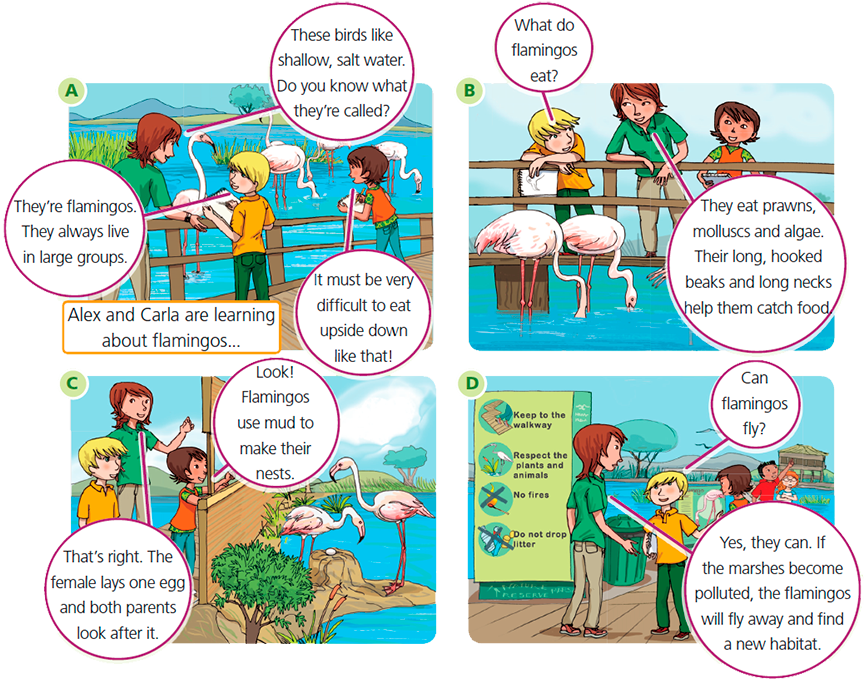
An ecosystem includes all the living and non-living things in a specific area and the interaction that occurs between them. Ecosystems have no definitive size. They can be as small as the space under a rock or as large as an ocean. A large ecosystem contains smaller ecosystems within it.
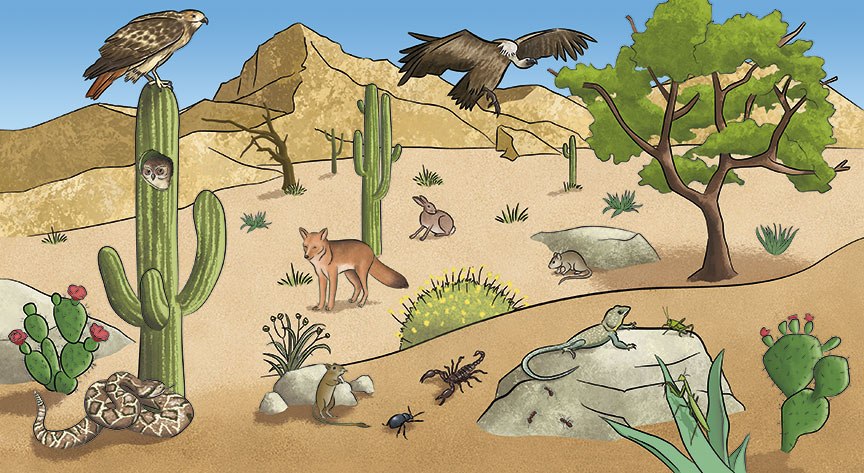
All plant life in an ecosystem is called the flora. All the animal life in an ecosystem is called the fauna. The other living things in an ecosystem are fungi, microorganisms from the Monera kingdom such as bacteria, and protists, which mostly live in water.
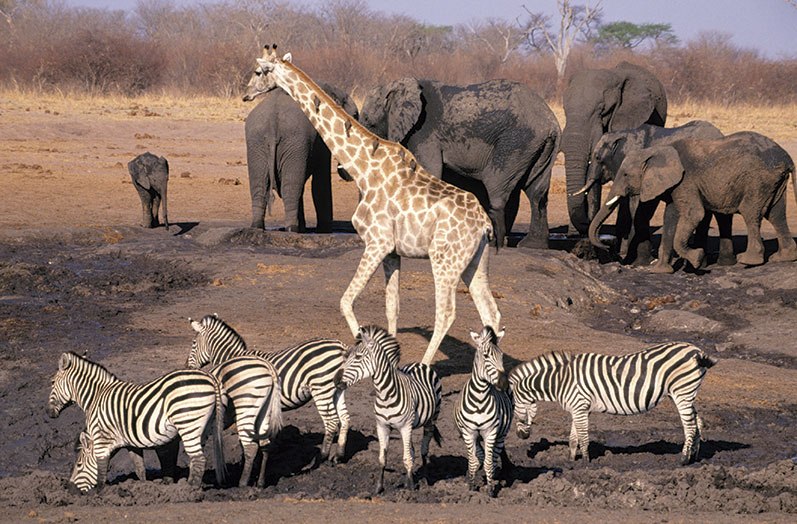
Organisms of the same species and that live in the same area are called a population. When populations interact with each other, they form a community. These communities interact with each other and with the physical environment.
Physical environment
An environment is made up of non-living things that appear in the same area as living things. Non-living things in an environment include:
- air
- sunlight
- water
- temperature
- soil (with rocks and minerals)
- climate
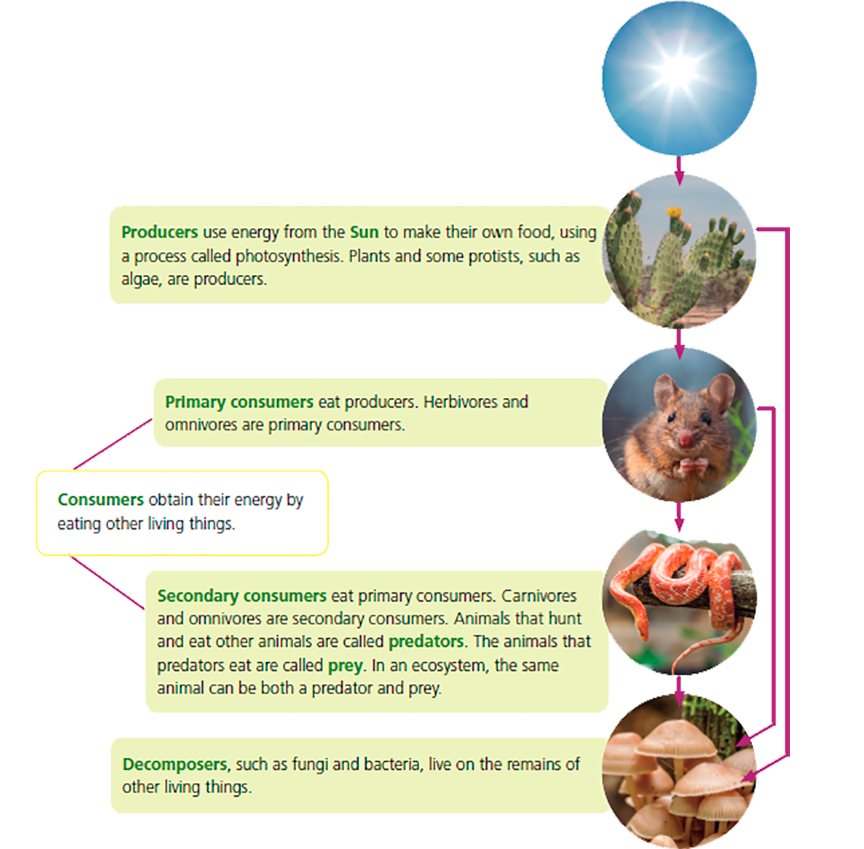
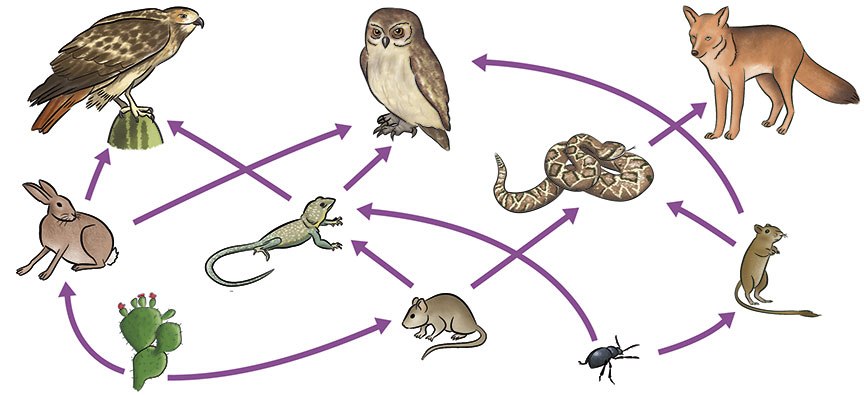
Most living things are part of more than one food chain. In an ecosystem, there can be lots of food chains. Most of these food chains are interconnected and are part of a food web.
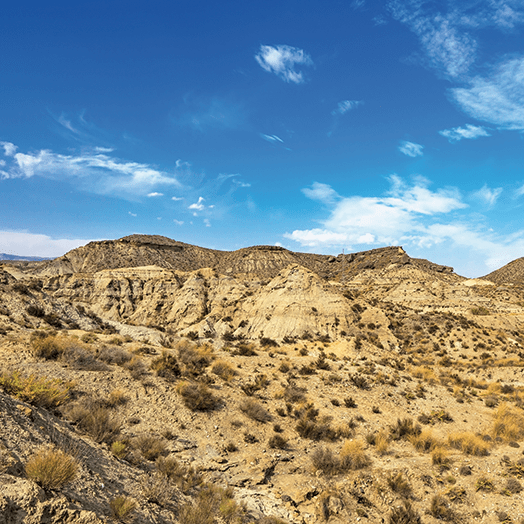
Spain is one of the largest countries in Europe and has many different types of landscapes. There are also several different types of climate in Spain, as well as variation in relief. Landscape, climate and relief all determine what types of ecosystems we can find in Spain.
Desert ecosystems
Deserts are the driest and hottest places on Earth. However, at night they become very cold. The animals that live in this ecosystem are mainly nocturnal. Plants such as cacti and small bushes can survive on very little water. Cacti can also store water inside their thick stems. Did you know that the only desert in Europe is in Spain? It is called El Desierto de Tabernas.
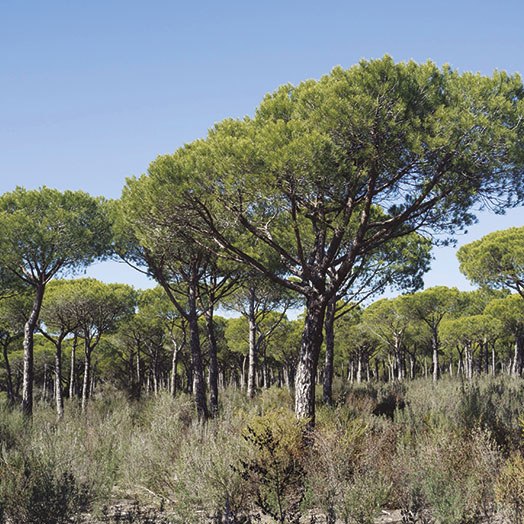
Forest ecosystems
Some forests are made up of deciduous trees that lose their leaves every winter. In colder areas, the forests are made up of evergreen or coniferous trees. Forests are home to all types of living things: animals, plants, fungi, protists and unicellular organisms. Mediterranean forest is found near the Mediterranean Sea.
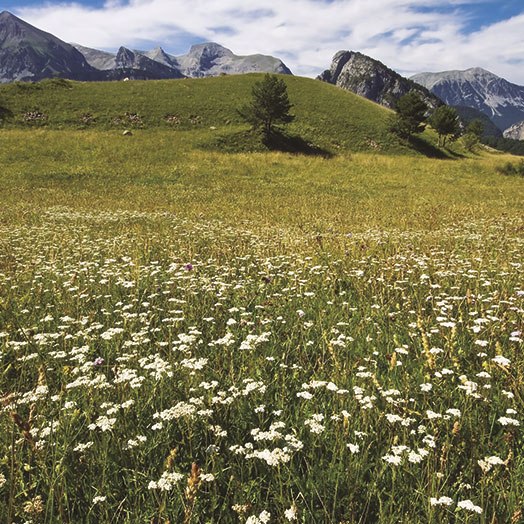
Grasslands
Grasslands are dominated by large areas of grass. They are found in areas where there is not enough rain to allow lots of trees to grow. There is, however, enough rain to support the growth of grass.
There are two types of grasslands: savannahs and temperate grasslands.
- Savannahs are warm all year round and home to animals such as elephants, giraffes, zebras, lions and rhinos.
- Temperate grasslands are located in colder climates. It is dry and windy and the grass is shorter. Animals that live here include bison, deer and rabbits.
Marine ecosystems
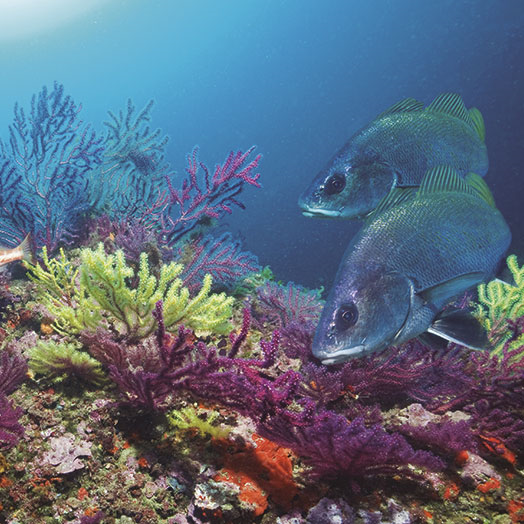
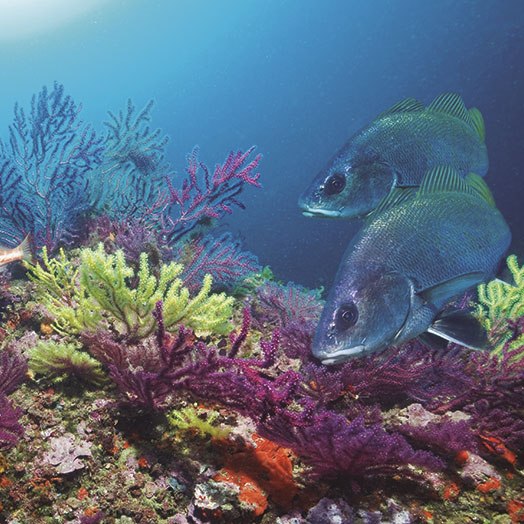
The largest ecosystem on Earth is the ocean. Coral reefs and the shoreline are smaller ecosystems within the ocean ecosystem. Coral reefs are one of the most diverse ecosystems – they are home to about 25% of all marine life on Earth. The shoreline is where the sea and the land meet. Animals and plants that live here have adapted to strong tides and waves.
Urban ecosystems
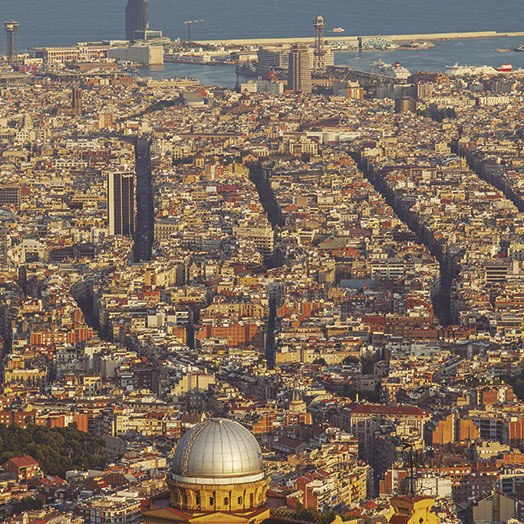
Humans have had an enormous impact on the planet and its ecosystems. In many cases, human activities have endangered natural ecosystems. They have, however, also created new ecosystems.
Urban ecosystems, such as cities and towns, are man-made or artificial. However, they contain both artifi cial and natural elements. There are many animal species that live in urban environments. Many invertebrates share our cities, as do pigeons, squirrels, rats, dogs and cats.
Cities are also home to plant species, many of which can be found inside parks. Look around you on your way to school. How many living things can you see?
ACTIVITIES
An ecosystem includes all the living and________________ things in a specific area and the interaction that occurs between them.
All the plant life in an ecosystem is called the_________________
All the animal life in an ecosystem is called the_____________
Organisms of the same species that live in the same area are called a population.
When populations interact with each other, they form a ______________________
_________________are the driest and hottest ecosystems on Earth.
___________________ ecosystems can be made up of deciduous or evergreen trees. ___________________are dominated by large areas of grass and are found in areas where there isn’t enough rain for trees to grow.
The largest ecosystem on Earth is the ________________ .
_______________reefs are one of the most diverse ecosystems on Earth and are home to about 25% of all marine life.
Cities and towns are examples of ________________ecosystems. They are man-made or artificial.
Aquí os dejo los archivos de los 2 study notes de las unidades vistas en clase para que los críos intenten hacerlos en casa y luego me los mandáis al correo: antoniojose.flores@murciaeduca.es
 Título del sitio web